Demand for mental health care services is high and rising.
More than 1 in 3 people live in an area with a shortage of mental health professionals. Communities of color and people in lower-income areas are most affected.
To solve this issue, our country needs to reduce barriers that keep people from becoming mental health professionals. The biggest challenges include the expense of post-undergraduate education, the lack of paid training opportunities required to practice, and the long and complex steps to get licensed, which for some can involve completing over 4,000 supervised clinical hours.
Mental Health Training Program
With more than 300 trainees annually, Kaiser Permanente’s Mental Health Training Program in northern California is the largest nongovernmental program of its kind in the U.S.
The breadth of our program allows trainees to obtain training for many common types of mental health care professionals. This training spans from pre-degree to post-degree programs. Participants can complete all parts of their training with us, starting with their supervised clinical hours and ending with their license.
This program shapes future mental health professionals through diverse and rigorous training experiences, ensuring comprehensive and culturally sensitive care.
Mental Health Workforce Accelerator
The Kaiser Permanente Mental Health Career Accelerator helps master’s level graduates on their journey to licensure. The accelerator is active in our Washington, Northwest, Southern California, Hawaii, Colorado, Georgia, and Mid-Atlantic regions, with an anticipated launch in our Northern California market in 2026.
The program has enrolled 395 candidates and aims to reach 1,000 by 2028.
Through the accelerator program, we are working to expand the number of qualified licensed clinicians who can provide mental health and substance use treatment to clients, while also building a workforce that better represents and understands the communities it serves.
Completing the required supervised work hours is a key barrier to achieving licensure, both because of the extensive time involved and because the process is very complex.
The accelerator provides candidates with testing and training supports, financial stipends, and peer support and mentorship.
Kaiser Permanente Behavioral Health Institute
The Southern California–based Kaiser Permanente Behavioral Health Training Institute addresses the national mental health provider shortage by offering pre-degree clinical training for master’s-level students, prioritizing high-quality clinical supervision as a foundation for effective, patient-centered care. In 2026, the program is supporting 43 participants.
Post-master’s Degree Associate Program
This Kaiser Permanente program offers qualified mental health graduates in Oregon, Washington, Georgia, Colorado, Hawaii, and Mid-Atlantic (Virginia, Washington, DC, and Maryland) a way to complete their supervised clinical hours with full-time pay and benefits.
The program selects graduates from diverse backgrounds who can offer mental health services in multiple languages to better support our communities.
It also focuses on following evidence-based practices such as the Feedback Informed Care and Zero Suicide framework.
John Vista’s Mental Health Scholars Academy Journey
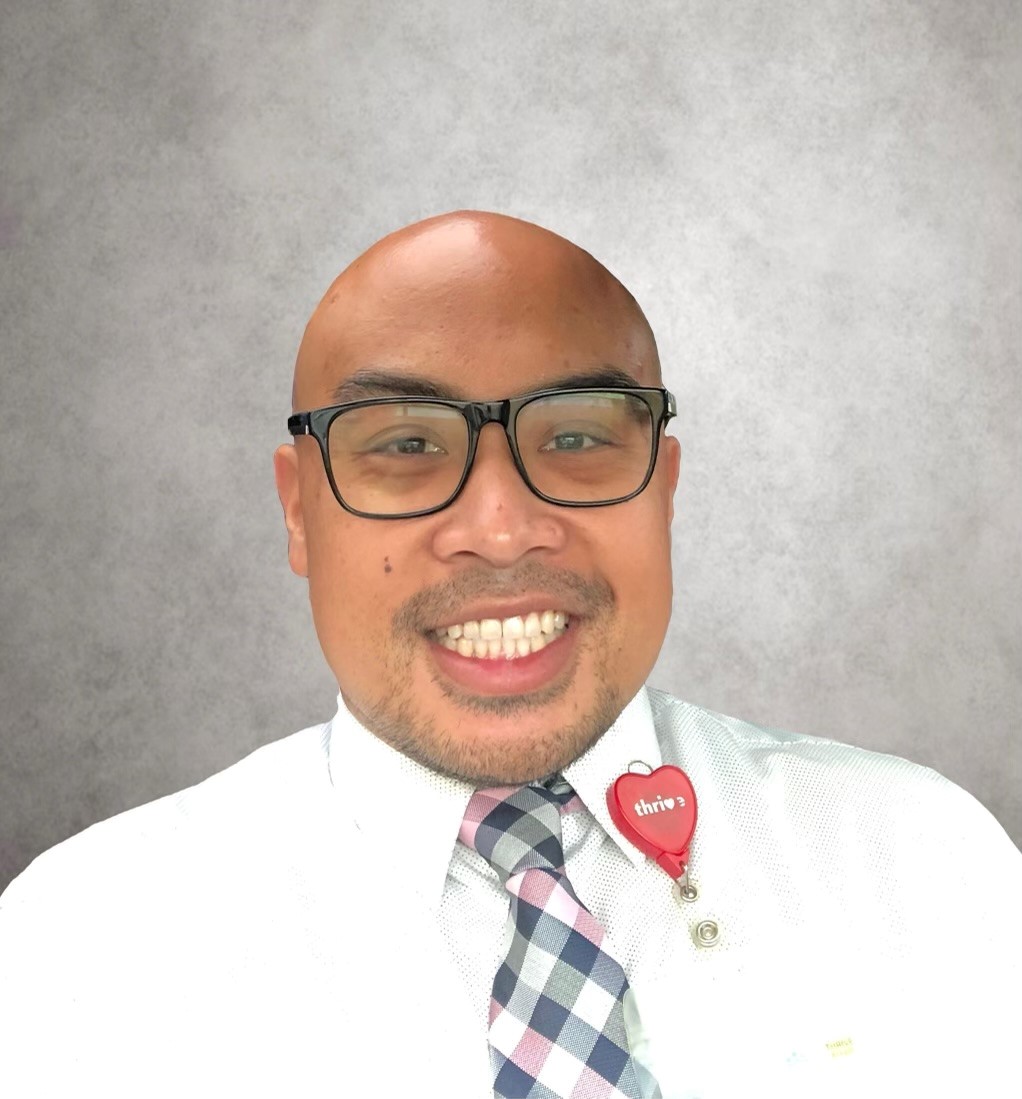
John Vista loved his job working as a supervisor in the addiction medicine and psychiatry department, but was fascinated by the work of the doctors, nurses, and therapists in his department.
“Hearing what our therapists were doing inspired me to want to become a mental health professional,” Vista said. “But I didn’t see how it could ever happen.”
Vista was nearly 40 years old, married, and raising 2 young kids. Plus, his degree and all his professional experience were in business management, not mental health care.
Then one day in 2019, he heard about the Mental Health Scholars Academy. Vista applied for the program and was accepted in 2020.
“It was stressful at times,” he said. “But any time I needed flexibility in my schedule, I talked with my manager and my teachers. They made sure I had everything I needed to get it all done.
Vista was grateful that Kaiser Permanente provided a seamless transition from his academic program to his clinical training. He completed his clinical training hours in December 2022.
The Mental Health Scholars Academy then connected him to recruiters, who helped him apply for jobs. He accepted an offer from Kaiser Permanente and became full-time psychiatric counselor — less than 3 years after beginning his studies.
“I felt extremely supported all along the way,” Vista said. “I don’t see how I could have possibly gotten to where I am now without this program.”